JOINT WIO-C KENYA COORDINATION WORKSHOP ON 30x30, OECMs AND CBD COP17 MARINE AND COASTAL BIODIVERSITY
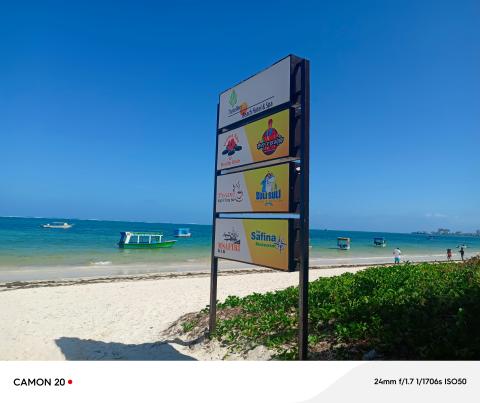
Mombasa, Travellers Beach Hotels and Spa Kenya – 22 September 2026
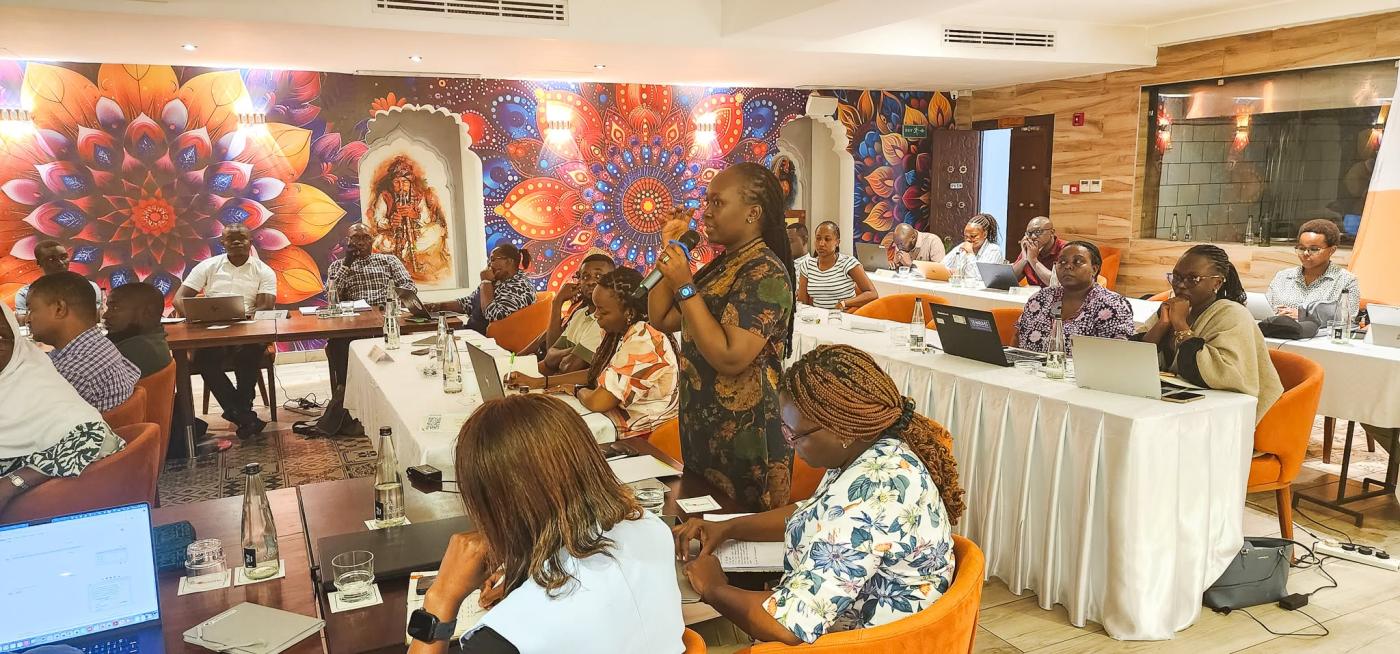
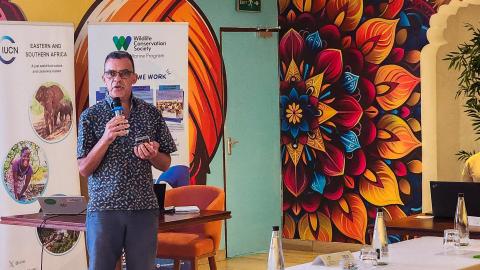
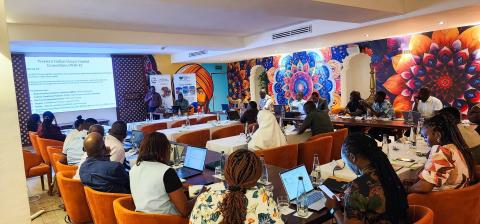
Kenya has brought together key stakeholders for the Joint WIO-C Kenya Coordination Workshop on 30x30, Other Effective Area-Based Conservation Measures (OECMs) and CBD COP17 Marine and Coastal Biodiversity, taking place from 22–24 September 2026.
The workshop provides an important platform for government institutions, conservation organisations, coastal and marine stakeholders, community representatives, technical experts and partners to strengthen coordination on the implementation of Kunming-Montreal Global Biodiversity Framework (KMGBF) Target 3, commonly referred to as the “30x30” target.
Target 3 calls for at least 30 per cent of terrestrial, inland water, coastal and marine areas to be effectively conserved and managed by 2030, while ensuring ecological representativeness and connectivity, as well as equitable governance and recognition of the rights of Indigenous Peoples and local communities.
The workshop is particularly timely as Kenya prepares technical inputs for the 17th Conference of the Parties to the Convention on Biological Diversity (CBD COP17) and seeks to strengthen national understanding of how marine and coastal areas can contribute to Target 3.
A key focus is the role of OECMs. While protected areas remain an important component of conservation, the workshop recognises that other areas where effective, long-term conservation outcomes are achieved can also contribute to biodiversity conservation. In Kenya's coastal and marine environment, examples of community and locally managed conservation arrangements may provide valuable experience for the development of the national OECM framework, subject to site-level assessment against the agreed criteria.
Participants are also considering the importance of ecological connectivity across marine and coastal ecosystems. Mangroves, estuaries, seagrass beds, coral reefs and offshore ecosystems are interconnected through the movement of species, larvae, nutrients, sediments and other ecological processes. Maintaining these connections is therefore essential for resilient marine ecosystems and effective conservation.
The workshop further provides an opportunity to take stock of existing marine and coastal conservation initiatives, identify knowledge and implementation gaps, and consider practical approaches for strengthening marine spatial planning, biodiversity-inclusive environmental assessment, community participation, monitoring, science and data systems.
The Kenya CHM provides an important information-sharing platform for documenting and communicating these national efforts. Through the CHM, information on biodiversity policies, programmes, conservation initiatives, knowledge and national implementation of the KMGBF can be made more accessible to decision-makers, practitioners, communities and other stakeholders.
The workshop is expected to contribute to a coordinated roadmap for marine and coastal implementation of Target 3 and to generate technical inputs that can inform Kenya's established national preparations for CBD COP17.
As Kenya works towards the 2030 biodiversity targets, the workshop underscores an important message: achieving 30x30 is not simply about increasing the area under conservation. It is about ensuring that conserved areas are ecologically meaningful, effectively managed, connected, inclusive and capable of delivering lasting biodiversity outcomes.
Kenya's marine and coastal biodiversity is a national asset. Strengthening collaboration, knowledge and coordinated action will be essential to securing this asset for present and future generations.