Indigenous Peoples Co-Design Framework for Enhanced Participation in Kenya's NBSAP Implementation
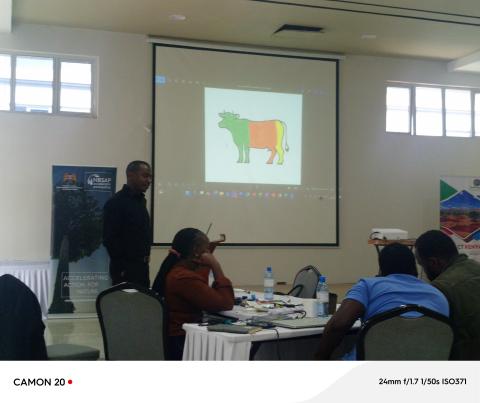
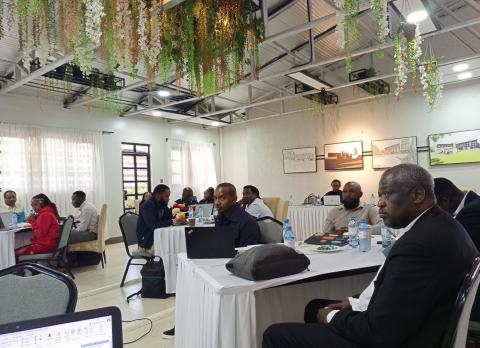
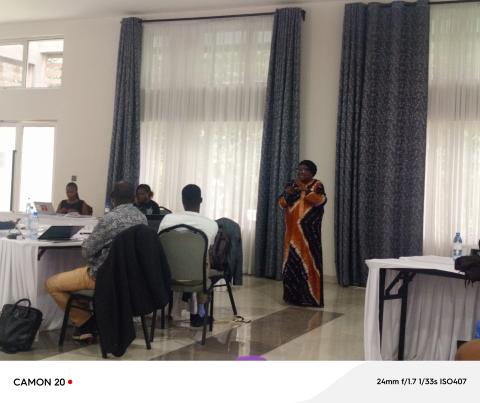
Naivasha, Kenya, 24–26 June 2026 – Indigenous Peoples' representatives, government agencies, civil society organizations, and technical partners convened in Naivasha for a three-day Indigenous Peoples Onboarding and Co-Design Workshop aimed at strengthening Indigenous Peoples' participation in the implementation of Kenya's National Biodiversity Strategy and Action Plan (NBSAP).
The workshop, organized by IMPACT Kenya in partnership with the NBSAP Accelerator Partnership Kenya Programme and the Ministry of Environment, Climate Change and Forestry, marks a significant milestone in advancing inclusive biodiversity governance in Kenya. The meeting forms part of a broader consultancy under the NBSAP Accelerator Partnership Kenya Programme focused on enhancing the participation of Indigenous Peoples in NBSAP implementation, monitoring, reporting, and governance.
The workshop builds on the outcomes of the Indigenous Peoples Learning Workshop on Localizing Kenya's NBSAP held in Nanyuki in May 2025, where Indigenous Peoples' organizations and leaders developed a communiqué calling for stronger representation in biodiversity governance structures, the establishment of an Indigenous Peoples NBSAP coordination mechanism, and the development of a dedicated framework for Indigenous Peoples' engagement.
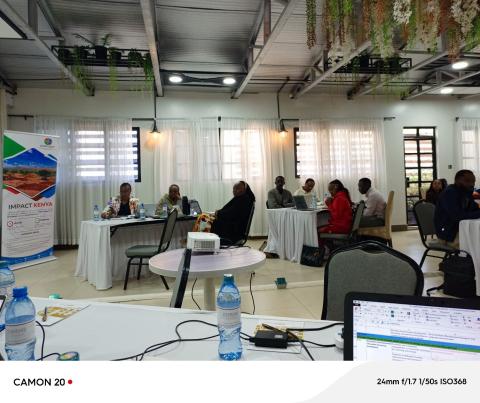
Opening the workshop, participants emphasized the importance of recognizing Indigenous Peoples as rights holders, knowledge holders, and key partners in biodiversity conservation, in line with the aspirations of the Kunming-Montreal Global Biodiversity Framework (KMGBF). The Framework calls for the full, effective, equitable, inclusive, and gender-responsive participation of Indigenous Peoples and Local Communities in biodiversity governance and decision-making processes.
Throughout the workshop, participants reflected on their experiences in biodiversity governance and identified barriers that continue to limit meaningful participation. Key issues highlighted included land tenure insecurity, limited access to biodiversity information, inadequate representation in decision-making processes, insufficient recognition of Indigenous Knowledge Systems, and challenges in accessing resources and opportunities related to biodiversity conservation and sustainable use.
Using a participatory and co-design approach guided by the principles of Free, Prior and Informed Consent (FPIC), participants engaged in thematic discussions, stakeholder mapping exercises, visioning sessions, and consensus-building dialogues. These discussions explored practical pathways for strengthening Indigenous Peoples' engagement throughout the NBSAP implementation cycle.
The workshop sought to answer several critical questions, including how Indigenous Peoples are currently participating in biodiversity governance, what barriers hinder meaningful engagement, what participation mechanisms are most effective and culturally appropriate, and which stakeholders should be involved in supporting stronger participation.
Expected outcomes from the workshop include a shared understanding of the consultancy process and objectives, identification of participation priorities and opportunities, stakeholder mapping, recommendations for strengthening Indigenous Peoples' participation in NBSAP implementation structures, and foundational inputs for the development of an Indigenous Peoples Engagement Framework.
The outcomes of the workshop will directly inform subsequent stakeholder consultations, legal and policy analysis, participation-gap assessments, and the development of recommendations aimed at strengthening Indigenous Peoples' participation in Kenya's biodiversity governance framework.
As Kenya advances the implementation of its National Biodiversity Strategy and Action Plan and works towards achieving the goals and targets of the Kunming-Montreal Global Biodiversity Framework, the meaningful participation of Indigenous Peoples will remain essential to ensuring effective biodiversity conservation, sustainable use of natural resources, protection of traditional knowledge, and equitable sharing of benefits arising from biodiversity.
The workshop reaffirmed a common message among participants: biodiversity conservation is most effective when Indigenous Peoples are recognized not only as stakeholders, but as partners, rights holders, custodians of traditional knowledge, and leaders in shaping the future of Kenya's biodiversity.