BIODEV2030 Legacy Workshop: Consolidating Gains, Shaping the Future
Advancing Biodiversity Mainstreaming in Kenya
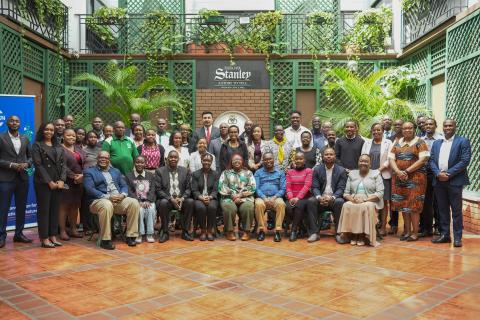
The BIODEV2030 Legacy Workshop, held on 14th–15th May 2026 at the Sarova Stanley, brought together government institutions, private sector actors, civil society organizations, indigenous peoples and local communities, academia, youth representatives, and development partners to reflect on the achievements and future of the BIODEV2030 initiative in Kenya.
Implemented by the International Union for Conservation of Nature in collaboration with the Ministry of Environment, Climate Change, and Forestry, BIODEV2030 seeks to support the implementation of the Kunming-Montreal Global Biodiversity Framework by promoting production systems and development pathways that reconcile biodiversity conservation with economic growth.
The workshop provided a platform to consolidate lessons learned from the project, strengthen partnerships, and identify pathways for sustaining biodiversity-positive investments and policy reforms beyond the project lifecycle.
From Dialogue to Action
Participants reflected on the progress made since the first phase of BIODEV2030, which focused on generating scientific evidence, fostering multi-stakeholder dialogue, and identifying biodiversity challenges and opportunities within key economic sectors such as horticulture, livestock production, and agroforestry.
Phase II of the project built on this foundation by supporting:
- Biodiversity mainstreaming within sectoral policies and planning processes
- Development of landscape-based investment opportunities
- Capacity strengthening for stakeholders
- Promotion of sustainable production practices
- Collaboration among government, private sector, and civil society
The workshop highlighted how these interventions are contributing to Kenya’s efforts to implement the National Biodiversity Strategy and Action Plan (NBSAP) and achieve the targets of the Global Biodiversity Framework.
Key Discussions and Policy Insights
The workshop featured keynote remarks from representatives of government, conservation organizations, and community institutions. Discussions emphasized the importance of integrating biodiversity considerations into national development planning and sectoral decision-making.
A major highlight was the presentation and launch of BIODEV2030 policy briefs and policy-related outputs, including discussions on the Regulatory Impact Assessment for the Draft Charcoal Regulations 2025. Participants explored opportunities to strengthen policy coherence, enhance sustainable land use, and promote biodiversity-friendly production systems.
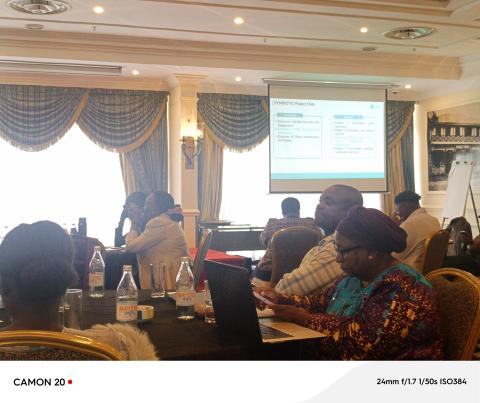
Interactive breakout sessions enabled participants to examine:
- Policy opportunities for biodiversity mainstreaming
- Financing mechanisms for biodiversity-positive investments
- Landscape-level restoration and conservation initiatives
- Partnerships for implementation and scaling
Strengthening Partnerships and Investment Opportunities
A central theme throughout the workshop was the need to mobilize financing and strengthen collaboration to sustain biodiversity gains. Presentations on bankable biodiversity projects demonstrated the growing potential for investments that simultaneously support conservation, livelihoods, and climate resilience.
Participants underscored the importance of:
- Public-private partnerships
- Community participation and indigenous knowledge
- Biodiversity finance mechanisms
- Sustainable value chains and nature-positive enterprises
The workshop also reinforced the role of landscape approaches in addressing biodiversity loss while supporting economic development and local livelihoods.
Towards a Sustainability Roadmap
On the second day, participants co-created a sustainability roadmap aimed at ensuring continuity of BIODEV2030 outcomes beyond 2026. Discussions focused on:
- Scaling successful biodiversity-positive practices
- Strengthening institutional coordination
- Enhancing policy uptake
- Expanding financing opportunities
- Sustaining stakeholder engagement and partnerships
The roadmap emphasized the importance of integrating biodiversity into county and national development planning processes and strengthening implementation of Kenya’s biodiversity commitments under the Global Biodiversity Framework.
Key Outcomes of the Workshop
The workshop achieved several important outcomes, including:
- Increased awareness of BIODEV2030 achievements and lessons learned
- Identification of financing opportunities for biodiversity-positive investments
- Strengthened collaboration among government, civil society, private sector, and development partners
- Documentation of recommendations to guide future biodiversity initiatives and policy reforms
Looking Ahead
The BIODEV2030 Legacy Workshop reaffirmed Kenya’s commitment to mainstreaming biodiversity into economic sectors and development pathways. As the project concludes, stakeholders emphasized that the momentum generated by BIODEV2030 should continue to inform policy, investment, and partnership efforts to build a nature-positive and resilient future.
The workshop demonstrated that achieving the goals of the Kunming-Montreal Global Biodiversity Framework will require sustained collaboration, innovative financing, inclusive governance, and continued integration of biodiversity into national development priorities.