Kenya to Host Global Desertification and Drought Day 2026: A Call to Restore the World’s Rangelands
KILIFI
KILIFI
Kenya
On 17 June 2026, the world will turn its attention to Kenya as it hosts the global observance of Desertification and Drought Day under the United Nations Convention to Combat Desertification (UNCCD). The international event will be held in Vipingo, Kilifi County, marking a historic moment as Kenya becomes the global focal point for advancing action on land degradation, drought resilience, and sustainable land management.
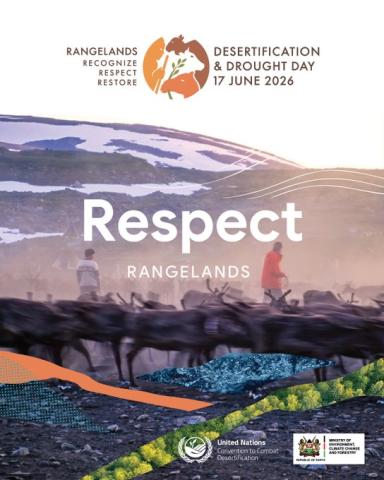
This year’s theme, “Rangelands: Recognize. Respect. Restore.”, places the world’s vast rangeland ecosystems at the centre of global environmental dialogue. It also aligns with the United Nations declaration of 2026 as the International Year of Rangelands and Pastoralists, underscoring the critical role these landscapes play in sustaining life on Earth.
A Global Ecosystem in Crisis and Opportunity
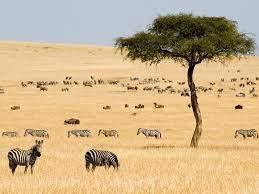
Rangelands—comprising grasslands, savannahs, shrublands, and semi-arid ecosystems—cover more than half of the Earth’s land surface. They support billions of people and underpin livestock production systems that feed much of the world.
Yet despite their importance, rangelands have long been undervalued and misunderstood. Often dismissed as “wastelands,” they are in fact highly productive ecosystems that store carbon, regulate water cycles, support biodiversity, and sustain the cultural identity of pastoralist communities.
Today, nearly half of the world’s rangelands are degraded or under serious threat due to climate change, unsustainable land use, land fragmentation, invasive species, and prolonged droughts. The consequences are far-reaching—affecting food security, water availability, ecosystem health, and livelihoods across continents.
The 2026 global observance seeks to shift this narrative: from neglect to recognition, from degradation to restoration.
Kenya: A Global Voice for Rangeland Restoration
Kenya’s selection as global host reflects its unique ecological and policy landscape. Approximately 80 percent of the country is classified as rangeland, stretching across its Arid and Semi-Arid Lands (ASALs) and supporting millions of pastoralists, agro-pastoralists, and wildlife populations.
From the vast plains of Turkana and Marsabit in the north, to the savannah ecosystems of Kajiado, Narok, and Laikipia, Kenya’s rangelands form the backbone of both rural livelihoods and the country’s globally renowned biodiversity.
However, these ecosystems are increasingly under pressure. Recurrent droughts, overgrazing, invasive species such as Prosopis juliflora, land subdivision, and unsustainable charcoal production continue to threaten their productivity and resilience.
By hosting the global event, Kenya is positioning itself as a leader in rangeland restoration, sustainable pastoralism, and climate resilience—demonstrating that drylands are not marginal spaces, but central to national development and ecological stability.
Why Kilifi County Matters
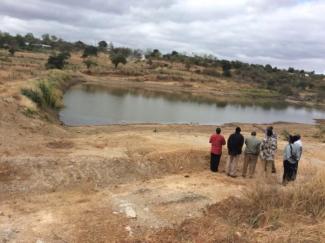
The choice of Vipingo in Kilifi County as the host location carries deep symbolic significance. Although widely known for its coastal tourism and marine ecosystems, Kilifi also contains extensive dryland landscapes that face increasing environmental stress.
In areas such as Ganze, Magarini, and surrounding hinterlands, communities are experiencing the impacts of land degradation driven by deforestation, charcoal burning, erratic rainfall, and declining soil productivity. These challenges are directly linked to broader regional climate dynamics that connect inland drylands to coastal ecosystems.
Hosting the global observance in Kilifi highlights an important truth: restoring rangelands upstream is essential for safeguarding downstream ecosystems, including Kenya’s coastal “blue economy.”
The Three Pillars: Recognize, Respect, Restore
The 2026 theme provides a clear framework for global action.
Recognize the value of rangelands as vital ecosystems that support food systems, climate regulation, biodiversity, and millions of livelihoods.
Respect the knowledge, cultures, and stewardship systems of pastoralist and Indigenous communities who have sustainably managed these landscapes for generations.
Restore degraded lands through investment in sustainable grazing systems, reseeding of native grasses, restoration of water catchments, control of invasive species, and strengthening of community-led conservation efforts.
Together, these actions form a pathway toward land degradation neutrality and long-term ecological resilience.
A Global Call to Action
Desertification and Drought Day 2026 is more than a commemorative event—it is a global call to action. It challenges governments, development partners, private sector actors, and communities to rethink how land is valued and managed.
Restoring rangelands is one of the most cost-effective climate and development strategies available today. Healthy rangelands store carbon, support biodiversity corridors, sustain livestock production, and enhance resilience to droughts and floods.
As the world gathers in Kenya, the message is clear: the future of rangelands is the future of global sustainability.
Looking Ahead
The global observance in Kilifi will bring together policymakers, scientists, pastoralist representatives, youth, and development partners to share solutions and commitments for restoring degraded landscapes.
It will also reinforce Kenya’s role as a leader in climate action and sustainable land management in Africa and beyond.
Ultimately, Desertification and Drought Day 2026 will remind the world of a simple but powerful truth: when we restore rangelands, we restore life itself.
Rangelands: Recognize. Respect. Restore.