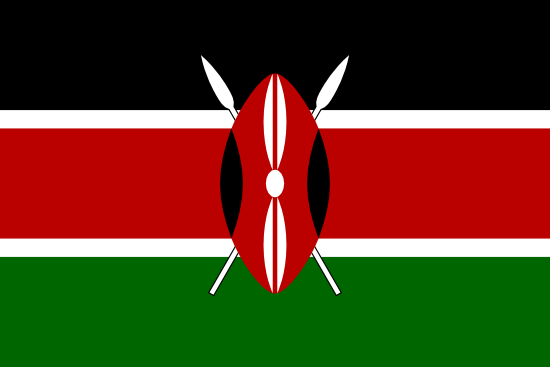
Biodiversity conservation in Kenya is guided by various policies, strategies, and guidelines aimed at preserving the country's rich and diverse natural heritage. These guidelines help establish best practices for sustainable development, land use, and the protection of ecosystems and species. Here are some key guidelines and documents related to biodiversity conservation in Kenya:
-
National Biodiversity Strategy and Action Plan (NBSAP): The NBSAP outlines Kenya's strategic objectives and actions for conserving its biodiversity. It serves as a comprehensive guiding document for biodiversity conservation efforts.
-
Protected Areas Management Guidelines: These guidelines provide instructions for the management and conservation of Kenya's national parks, game reserves, and other protected areas. They cover issues such as wildlife protection, tourism management, and community engagement in conservation.
-
Environmental Impact Assessment (EIA) Guidelines: EIA guidelines outline the process for assessing and mitigating the environmental impacts of development projects. They ensure that proposed projects consider the potential effects on biodiversity and ecosystems.
-
National Policy on Natural Products and Traditional Medicines: This policy promotes the sustainable use of natural products and traditional medicines, taking into account their role in biodiversity conservation and the livelihoods of local communities.
-
Fisheries Management Guidelines: Guidelines for sustainable fisheries management help ensure the conservation of aquatic biodiversity in Kenya's lakes, rivers, and coastal waters.
-
Seed Certification and Plant Variety Protection Guidelines: These guidelines govern the conservation and sustainable use of plant genetic resources, ensuring the diversity of crop species.
-
National Pollinators Management Plan: This plan outlines strategies for the conservation of pollinators such as bees and butterflies, which play a crucial role in maintaining biodiversity and agriculture.
-
Invasive Species Management Guidelines: Guidelines for managing invasive species help control non-native species that can threaten native biodiversity.
-
Access and Benefit Sharing (ABS) Guidelines: These guidelines provide a framework for access to genetic resources and the equitable sharing of benefits arising from their utilization, as required by international agreements like the Convention on Biological Diversity.
These guidelines are essential tools for policymakers, conservation organizations, and other stakeholders in Kenya to ensure that biodiversity conservation remains a top priority and that development activities are conducted in an environmentally sustainable manner. It's important to consult official government sources and relevant organizations for the most up-to-date versions of these guidelines and documents.
Biodiversity conservation in Kenya is guided by various policies and strategies aimed at protecting the country's rich and diverse natural heritage. These policies provide a framework for sustainable development, land use planning, and the protection of ecosystems and species. Here are some key policies related to biodiversity conservation in Kenya:
-
National Biodiversity Policy (2015): This policy provides a comprehensive framework for the conservation and sustainable use of biodiversity in Kenya. It outlines strategies for the protection of ecosystems, wildlife, and genetic resources, as well as measures for mainstreaming biodiversity into various sectors, including agriculture, forestry, and fisheries.
-
National Environment Policy (2013): While not solely focused on biodiversity, this policy addresses environmental conservation and protection, including the preservation of natural habitats and biodiversity. It sets out principles for sustainable environmental management and encourages public participation in environmental decision-making.
-
National Wildlife Conservation and Management Policy (2000): This policy focuses on the conservation and sustainable management of Kenya's wildlife resources. It outlines principles for wildlife protection, habitat conservation, and sustainable tourism development.
-
National Forest Policy (2020): The Forest Policy emphasizes the importance of forests for biodiversity conservation, climate change mitigation, and sustainable livelihoods. It promotes the restoration and sustainable management of forests and tree resources.
-
National Wetlands Policy (2006): This policy focuses on the conservation and sustainable use of wetlands, which are critical for biodiversity and water resource management. It outlines strategies for wetland protection, restoration, and sustainable utilization.
-
National Fisheries Policy (2008): The Fisheries Policy addresses the conservation of aquatic biodiversity in Kenya's lakes, rivers, and coastal waters. It promotes sustainable fisheries management and the protection of aquatic ecosystems.
-
National Seed Policy (2006): While primarily concerned with agriculture, this policy recognizes the importance of conserving plant genetic resources. It promotes the conservation and sustainable use of genetic diversity in crop species.
-
National Climate Change Action Plan (2018-2022): While not exclusively a biodiversity policy, this action plan includes measures to address climate change impacts on biodiversity and ecosystems. It emphasizes the need for ecosystem-based adaptation strategies.
-
National Parks and Reserves Management Policy (2018): This policy provides guidelines for the management and conservation of Kenya's national parks and reserves. It emphasizes the importance of wildlife protection and sustainable tourism.
-
National Policy on Natural Products and Traditional Medicines (2007): This policy promotes the sustainable use of natural products and traditional medicines, considering their role in biodiversity conservation and the livelihoods of local communities.
These policies, among others, serve as the foundation for Kenya's efforts to conserve biodiversity and promote sustainable development. They are complemented by various laws, regulations, and action plans aimed at implementing their objectives. It's important to consult official government sources for the most up-to-date versions of these policies and related documents.
Biodiversity conservation in Kenya is supported by a range of strategies and action plans that provide specific frameworks and guidelines for the protection and sustainable management of the country's diverse ecosystems and species. These strategies are designed to address various conservation challenges and promote the long-term sustainability of Kenya's natural heritage. Here are some key strategies related to biodiversity conservation in Kenya:
-
National Biodiversity Strategy and Action Plan (NBSAP): The NBSAP outlines Kenya's strategic objectives and action plans for conserving biodiversity. It serves as a comprehensive guiding document for biodiversity conservation efforts, covering areas such as habitat protection, wildlife conservation, and sustainable use of biological resources.
-
National Wildlife Conservation and Management Strategy: This strategy focuses on wildlife conservation and management, emphasizing the need to protect endangered species, combat wildlife trafficking, and promote community-based conservation initiatives.
-
Protected Areas Management Strategy: This strategy provides guidelines for the effective management and conservation of Kenya's national parks, game reserves, and other protected areas. It addresses issues such as habitat protection, tourism management, and community engagement in conservation.
-
Community-Based Conservation Strategy: Kenya has adopted community-based conservation as a key approach to involve local communities in biodiversity conservation efforts. This strategy encourages communities to participate in wildlife and habitat protection, benefiting both conservation and livelihoods.
-
Ecosystem-Based Adaptation Strategy: Given the impact of climate change on biodiversity, this strategy promotes ecosystem-based adaptation measures that protect and restore critical habitats and ecosystems to enhance resilience to climate change.
-
Wetlands Management Strategy: This strategy focuses on the conservation and sustainable management of wetlands in Kenya, recognizing their importance for biodiversity, water resources, and flood control.
-
Forest Conservation and Management Strategy: Addressing the importance of forests in biodiversity conservation and climate change mitigation, this strategy promotes sustainable logging practices, afforestation, and forest protection.
-
National Fisheries Management Strategy: This strategy emphasizes sustainable fisheries management to conserve aquatic biodiversity in Kenya's lakes, rivers, and coastal waters.
-
Invasive Species Management Strategy: To address the threat posed by invasive species, this strategy outlines measures to control and manage non-native species that can harm native ecosystems and species.
-
Pollinator Conservation Strategy: Recognizing the importance of pollinators for agriculture and ecosystem health, this strategy focuses on the conservation of pollinating species like bees and butterflies.
-
Access and Benefit Sharing (ABS) Strategy: In compliance with international agreements, this strategy guides access to genetic resources and the equitable sharing of benefits arising from their utilization.
-
National Climate Change Action Plan: While not exclusively focused on biodiversity, this plan includes strategies for adapting to climate change impacts on biodiversity and ecosystems.
These strategies work in tandem with national policies and legal frameworks to create a holistic approach to biodiversity conservation in Kenya. Implementation of these strategies involves collaboration among government agencies, non-governmental organizations, local communities, and international partners to ensure the sustainable management of Kenya's natural resources. It's important to refer to official government sources for the most up-to-date information on these strategies.