Other


Pollution
Pollution
Pollution in Kenya – from chemicals, plastics, sewage and oil – is seriously degrading ecosystems. Water pollution is especially acute. In 2024 over 50 tonnes of fish perished in Lake Victoria due to toxic water conditionsglobalvoices.org. Investigations found heavy metals and industrial effluent in both Lake Victoria and the Rift Valley soda lakes (Nakuru, Baringo, Naivasha), endangering the fish and birds that depend on themglobalvoices.orgglobalvoices.org. Lake Naivasha (an important wetland and tourism site) has long suffered algae blooms from fertilizer runoff. Lake Nakuru’s famous flamingos now feed on algal masses tainted by chemical run-off and refuse. Nairobi and other cities dump raw sewage and garbage into rivers: the Nairobi and Athi rivers “choke” with plastic waste and wastewater, harming aquatic life and human healthglobalvoices.orgawf.org.
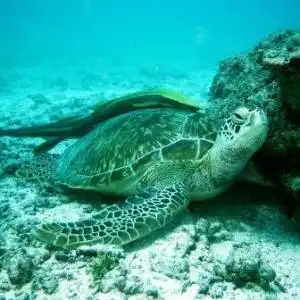
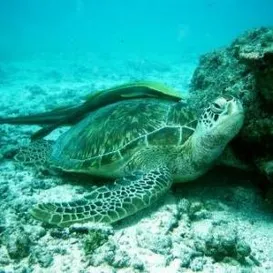
- Plastic Waste: Single-use plastics are ubiquitous. An average of 3.7 kg of plastic waste per person enters Mombasa’s environment annuallyearth.org, and much of that washes into the ocean or swamps. Nairobi River is emblematic: where it once hosted abundant fish and hippos, it is now jammed with bottles and bagsawf.org. Marine turtles, seabirds and fish often ingest or become entangled in plastic debris on Kenya’s beaches. Activists report piles of plastic on Lamu and Kwale shores each season.
- Chemical Runoff: Agrochemicals and industrial pollutants enter soils and waters. For example, pesticides used on Rift Valley flower farms leach into nearby rivers. Heavy metals from mining (though limited in Kenya) and electronics waste (informal dumps in Nairobi slums) have been detected in sediments. Salt factories on the coast discharge hypersaline effluent that kills mangrove seedlingsenglish.news.cn. Even atmospheric pollution counts: vehicle exhaust and burnt trash contribute to ‘acid rain’ that can alter soil and plant chemistry in forests near cities.
- Oil and Chemical Spills: Kenya’s growing oil transport (via Mombasa port or new pipelines) brings spill risk. Mombasa has seen oil slicks wash up on beaches after accidents, killing mangrove crabs and seabirds. In 2019, a major oil spill off the Tanzanian coast spread heavy tar into northern Kenya’s marine parks. Inland, the Turkana oil fields have reported spills during flaring exercisesdesmog.com (though impacts are still being studied). Even small spills on land can poison streams and grazing lands.
- Air and Noise Pollution: Thick smog over cities and factories is more an urban than rural issue, but it also affects biodiversity. Airborne particulates and gases (SO₂, NOx) can reduce tree growth and leaf cover near towns. Noise from highways and airports disturbs wildlife; for example, elephants in Tsavo are known to avoid areas of intense road noise. Light pollution from streetlights and hotels is altering animal behaviors, including bird migrations and breeding.
Overall, pollution can kill species directly and degrade habitat quality. For instance, studies found toxic pesticide residues in fish from Lake Nakuruglobalvoices.org, suggesting that bioaccumulation could hurt fish-eating birds and mammals. The combined effect of pollution is that even well-protected parks now receive polluted runoff. Kenya’s National Environment Management Authority (NEMA) has begun cracking down on illegal dumps and requiring treatment of wastewater, but enforcement is still weak. Conservationists warn that unchecked pollution – from plastic to chemicals – poses a rising threat alongside more familiar driversglobalvoices.orgawf.org.
NEMA Enforcing Plastic Bags Ban
Turning Waste into Wealth: A Deep Dive into Waste Management in Vihiga County
Digital Mapping of Dumpsites in Towns
Managing Crisis of Textile Waste