News
News
Start Date
2026 Nov 18End Date
2031 Nov 10Countries

Kenya
Thematic Areas
Global Strategy for Plant ConservationMarine and Coastal BiodiversityProtected AreasKenya Launches National Working Group on Other Effective Area-Based Conservation Measures (OECMs)
Naivasha, Kenya | 18 November 2026
The Government of Kenya has convened the inaugural workshop of the National Working Group on Other Effective Area-Based Conservation Measures (OECMs), marking an important step towards establishing a coordinated, government-led framework for identifying, assessing, recognising, monitoring and reporting OECMs in the country.
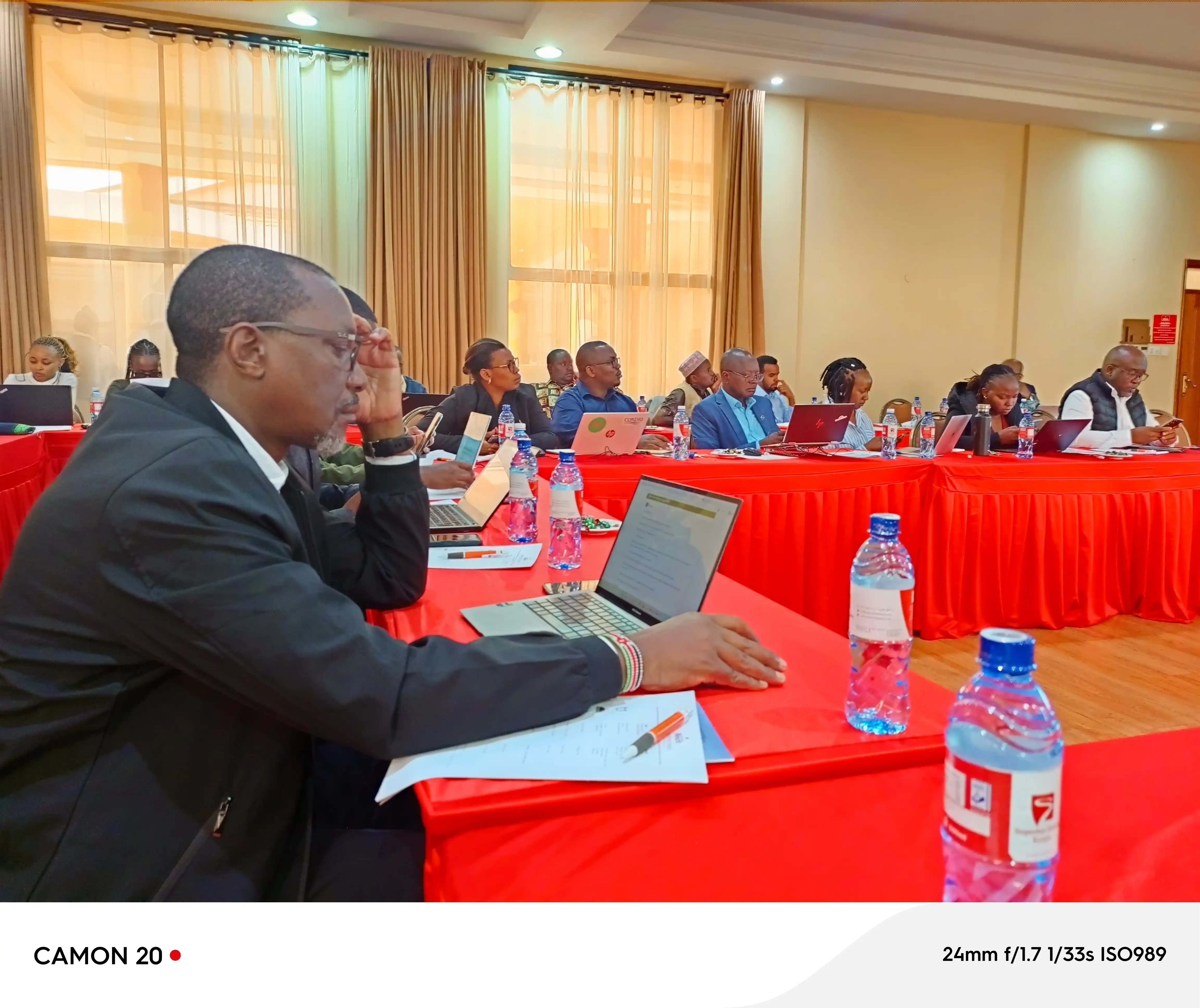
The three-day workshop, taking place from 18 to 20 November 2026 at Lake Naivasha Resort, Naivasha, is organised under the Ministry of Environment, Climate Change and Forestry through the Directorate of Multilateral Environment Agreements (DMEA). It brings together representatives from government institutions, technical agencies, conservation organisations, development partners and other stakeholders to advance Kenya's implementation of the Kunming–Montreal Global Biodiversity Framework (KMGBF), particularly Target 3.
Advancing Kenya's 30x30 commitment
KMGBF Target 3 calls on countries to ensure that at least 30 per cent of terrestrial, inland water, marine and coastal areas are effectively conserved and managed by 2030 through ecologically representative, well-connected and equitably governed systems of protected areas and OECMs.
OECMs provide an opportunity to recognise and support effective biodiversity conservation taking place outside formally designated protected areas. In Kenya, potential areas for consideration include community conservancies, pastoral rangelands, water catchments, cultural landscapes, private lands and other areas where sustained biodiversity conservation outcomes can be demonstrated.
The establishment of the National Working Group responds to the need for a nationally coordinated approach to OECM implementation, including clear institutional responsibilities, consistent assessment procedures and safeguards for the rights, tenure, governance systems and knowledge of Indigenous Peoples and Local Communities.
Building a national OECM framework
The workshop is building on the November 2024 National Dialogue on OECMs and the May 2026 Nanyuki workshop, providing a platform to move from dialogue towards a structured government-led process.
Discussions on the first day focus on developing a shared understanding of the OECM concept, its definition and criteria under the Convention on Biological Diversity (CBD), the distinction between OECMs and protected areas, and the policy and legal opportunities available in Kenya. Participants are also reviewing the draft Terms of Reference of the National Working Group, including its mandate, membership, leadership, decision-making arrangements and reporting responsibilities.
The second day focuses on developing Kenya's national OECM guidance and implementation roadmap. Participants will examine existing International Union for Conservation of Nature (IUCN) and Food and Agriculture Organization of the United Nations (FAO) guidance, identify approaches suitable for Kenya's national context, and consider how the Working Group will operate within the National Biodiversity Coordination Mechanism (NBCM).
The final day will address the proposed national OECM site recognition process, including site identification, assessment, validation, verification, formal recognition and reporting. Discussions will also consider resource mobilisation and partnerships to support implementation.
Strengthening coordination and community safeguards
The proposed National Working Group is envisaged as a multi-sectoral technical and policy advisory body, co-chaired by the State Department for Environment and Climate Change and the State Department for Wildlife. The Directorate of Multilateral Environment Agreements, through the National Biodiversity Coordination Mechanism, will serve as its Secretariat.
Its work will involve relevant institutions responsible for environment, forestry, wildlife, fisheries, water, lands, agriculture, livestock, tourism and devolution, alongside technical agencies, research institutions, civil society, Indigenous Peoples and Local Communities, women, youth and the private sector.
A central consideration is ensuring that OECM recognition is inclusive, credible and consistent with national laws and international guidance. The process will incorporate safeguards for community rights and tenure, meaningful participation, Free, Prior and Informed Consent (FPIC), equitable benefit sharing and appropriate grievance mechanisms.
Expected outcomes
The workshop is expected to deliver:
- A formally constituted National Working Group on OECMs, with validated Terms of Reference and agreed membership and governance arrangements.
- A proposed 12–18-month roadmap for developing Kenya's national OECM policy and technical framework.
- Preliminary analysis of policy, legal, institutional and capacity gaps affecting OECM implementation.
- Proposed procedures for identifying, assessing, validating, recognising, monitoring and reporting OECMs.
- Identification of priority landscapes and seascapes for potential OECM assessment and piloting.
- An initial resource mobilisation and partnership plan.
The initiative is supported by the NBSAP Accelerator Partnership, IUCN, Wyss Academy for Nature, Kenya Wildlife Conservancies Association (KWCA) and the International Crane Foundation (ICF).
Contributing to Kenya's biodiversity commitments
The establishment of the National Working Group represents an important institutional step towards strengthening Kenya's contribution to KMGBF Target 3. By developing a nationally coordinated and inclusive OECM framework, Kenya seeks to recognise conservation efforts beyond conventional protected areas while strengthening biodiversity outcomes, sustainable livelihoods and community stewardship.
The process is also expected to improve the integration of OECMs into national biodiversity planning and reporting, including Kenya's National Biodiversity Strategy and Action Plan (NBSAP), and support the country's contribution to global biodiversity commitments.
For Kenya, the successful operationalisation of OECMs will depend not simply on identifying additional areas, but on demonstrating sustained biodiversity conservation outcomes, effective governance, ecological connectivity and respect for the rights and contributions of local communities.
Kenya National Biodiversity Clearing-House Mechanism (CHM)
Convention on Biological Diversity – Information Sharing and Knowledge Exchange
Start Date
2026 Nov 18End Date
2031 Nov 10Countries
Kenya