News
Marine and Blue Carbon Stakeholders Review Kenya’s Draft National Biodiversity Strategy and Action Plan 2030 in Mombasa
Mombasa, Kenya | 17 November 2026
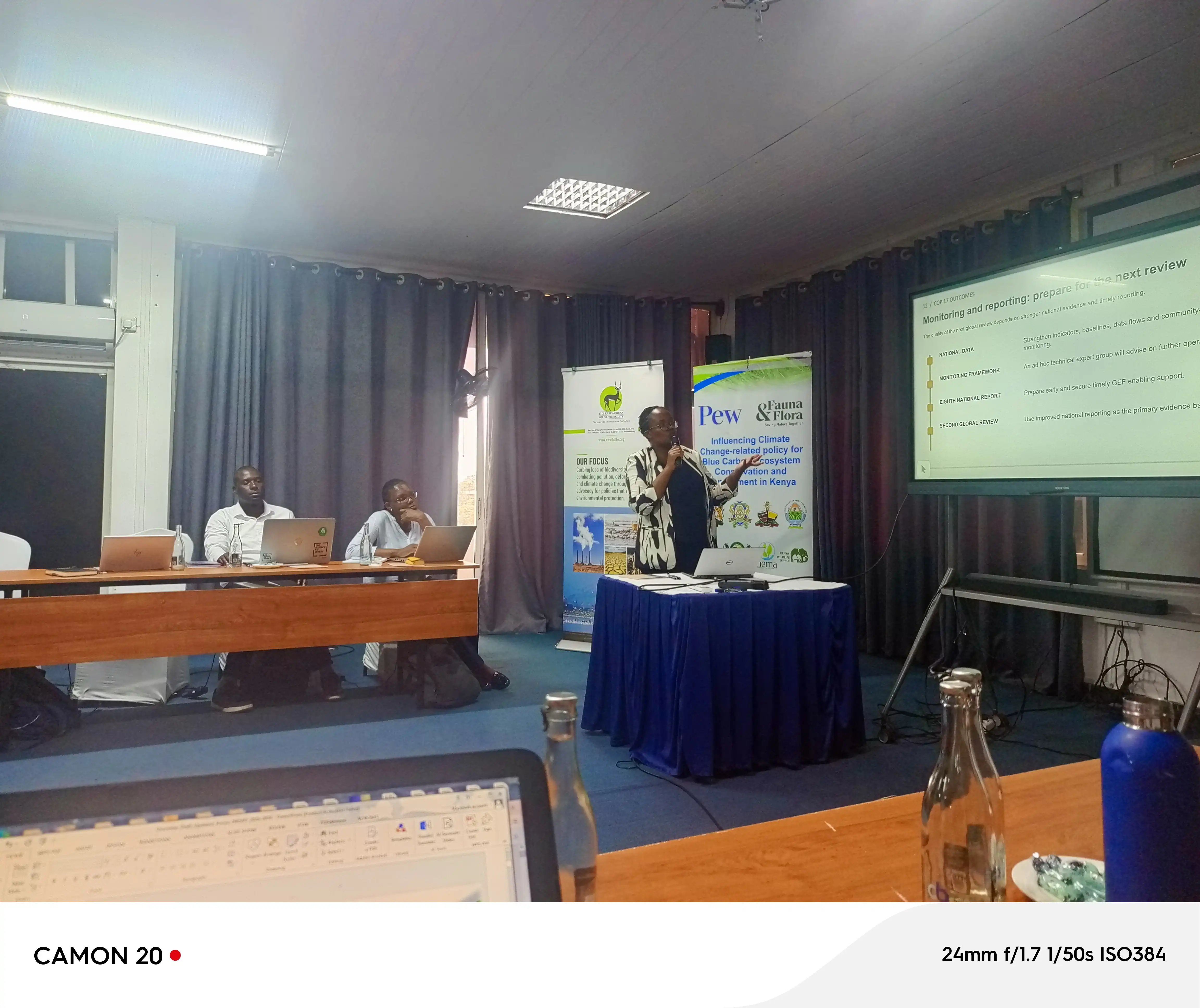
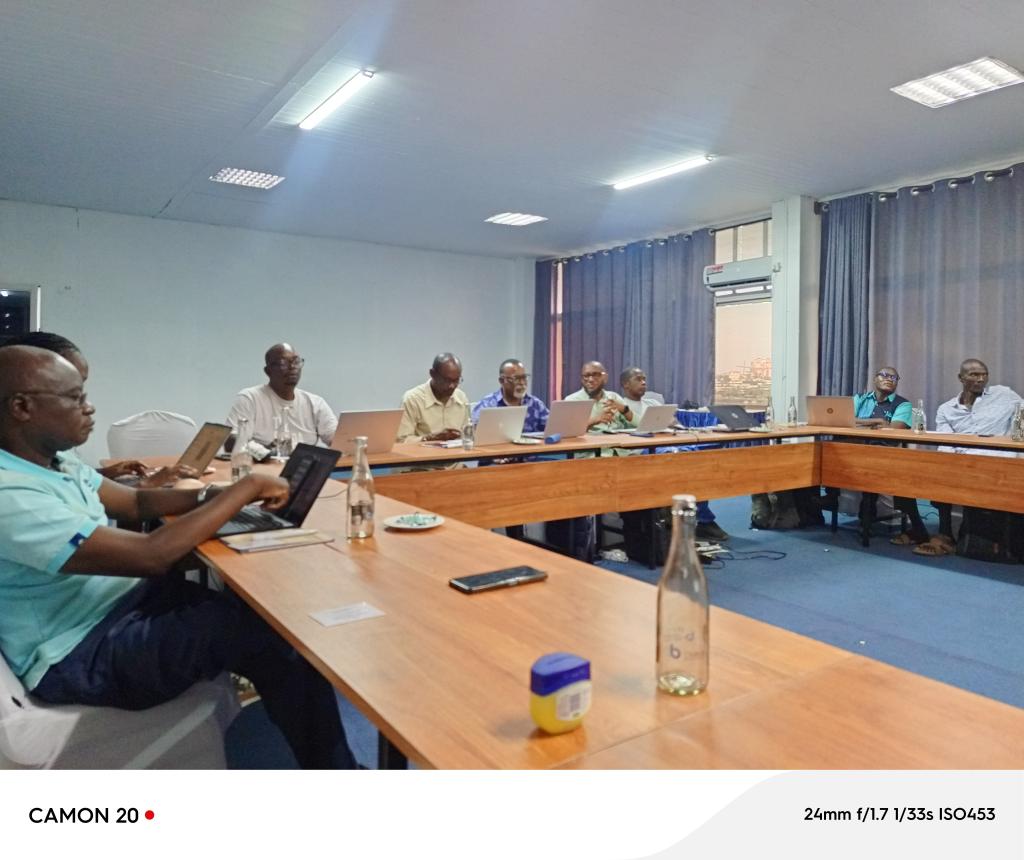
Marine and coastal biodiversity stakeholders convened in Mombasa on 16–17 November 2026 for a two-day Marine and Blue Carbon Ecosystem Stakeholders’ Review Workshop to examine Kenya’s Draft Updated National Biodiversity Strategy and Action Plan (NBSAP) 2030 and develop recommendations to strengthen the integration of marine and coastal biodiversity priorities into the national framework.
The workshop, facilitated by Fauna & Flora (F&F), was held at CityBlue Creekside Hotel in response to the national call by the State Department for Environment and Climate Change for public review and submission of comments and technical inputs on the Draft Updated NBSAP. The review process provides an opportunity for stakeholders to contribute evidence, proposals and recommendations ahead of the finalisation of the Strategy.
The Ministry of Environment, Climate Change and Forestry, through the State Department for Environment and Climate Change, is coordinating the updating of the NBSAP, with technical support from the United Nations Environment Programme (UNEP) and the Regional Centre for Mapping of Resources for Development (RCMRD). The updated Strategy is intended to guide Kenya’s implementation of its commitments under the Convention on Biological Diversity (CBD), while aligning national biodiversity priorities with the Kunming–Montreal Global Biodiversity Framework (KMGBF) and its 2030 targets.
The Mombasa meeting brought together stakeholders drawn from national and county government institutions, Community Forest Associations (CFAs), Beach Management Units (BMUs), civil society organisations, conservation practitioners and the private sector. The engagement formed part of a wider collaborative initiative involving Fauna & Flora, the East African Wild Life Society (EAWLS) and the World Wide Fund for Nature (WWF) to mobilise sector-specific contributions to the national review process. A complementary terrestrial biodiversity stakeholder engagement was being undertaken in Naivasha.
Strengthening the place of marine and coastal biodiversity in the NBSAP
The workshop recognised the importance of ensuring that Kenya’s biodiversity planning adequately reflects the ecological significance, economic value and livelihood contributions of its coastal and marine ecosystems. These include mangrove forests, seagrass beds, coral reefs, coastal wetlands and other interconnected marine and coastal habitats that support fisheries, biodiversity, coastal protection, carbon storage and community livelihoods.
The discussions were particularly relevant to the integration of blue carbon ecosystems into national biodiversity planning. Mangroves, seagrass beds and tidal wetlands provide important ecosystem services, including carbon sequestration and storage, shoreline protection, nursery habitats for marine species and support for coastal livelihoods. Their conservation and restoration therefore contribute to both biodiversity objectives and climate change mitigation and adaptation.
The workshop also provided an opportunity to consider the pressures affecting marine and coastal ecosystems, including habitat degradation, overexploitation of marine resources, pollution, unsustainable fishing practices and the impacts of climate change. Participants were expected to examine whether the proposed national targets, strategies and actions adequately address these pressures and provide measurable responses.
Linking national biodiversity commitments to marine action
A key focus of the engagement was to enhance stakeholders’ understanding of the Convention on Biological Diversity, the outcomes of the seventeenth meeting of the Conference of the Parties (COP 17), and the role of NBSAPs in translating global biodiversity commitments into national implementation.
The review was intended to assess how effectively marine and coastal priorities are reflected across the proposed NBSAP targets and implementation arrangements. Particular attention was directed towards identifying gaps in proposed actions, indicators, baselines, institutional responsibilities, financing and monitoring arrangements.
The discussions also provided an opportunity to consider the implementation of the global commitment to conserve at least 30 per cent of terrestrial, inland water, coastal and marine areas by 2030 (Target 3 of the KMGBF). This includes consideration of effective area-based conservation measures, locally managed marine conservation initiatives and the meaningful participation of coastal communities in biodiversity governance.
Stakeholder contributions are important in ensuring that the NBSAP recognises existing conservation efforts, strengthens institutional coordination and provides practical measures for addressing biodiversity loss while supporting sustainable livelihoods and the blue economy.
Towards consolidated recommendations
The workshop aimed to consolidate technical observations, stakeholder comments and evidence-based recommendations into a joint memorandum for submission to the State Department for Environment and Climate Change. The memorandum is intended to contribute to the refinement of the Draft Updated NBSAP before the public consultation submission deadline of 30 November 2026.
The expected outputs include increased awareness of the CBD and NBSAP processes among marine stakeholders, dissemination of relevant COP 17 outcomes, and consolidated recommendations on the integration of marine and coastal biodiversity priorities into the national Strategy. The marine stakeholder memorandum will complement inputs from the terrestrial biodiversity review, with the wider initiative seeking to produce two complementary stakeholder memoranda jointly acknowledged by Fauna & Flora, EAWLS and WWF.
The engagement underscores the importance of a whole-of-government and whole-of-society approach to biodiversity conservation. Meaningful participation by government institutions, conservation organisations, coastal communities, Indigenous Peoples, women, youth, persons with disabilities and private sector actors is essential to ensuring that national biodiversity commitments are inclusive, practical and adequately resourced.
As Kenya advances the finalisation and implementation of its NBSAP 2030, integrating marine and coastal ecosystems into national targets, actions, financing and monitoring frameworks will be critical to safeguarding the country’s biodiversity, strengthening climate resilience and sustaining the benefits that healthy ecosystems provide to present and future generations.
The stakeholder review process remains open to public contributions, with comments and recommendations on the Draft Updated NBSAP expected to be submitted to the State Department for Environment and Climate Change by 30 November 2026.